
Introduction
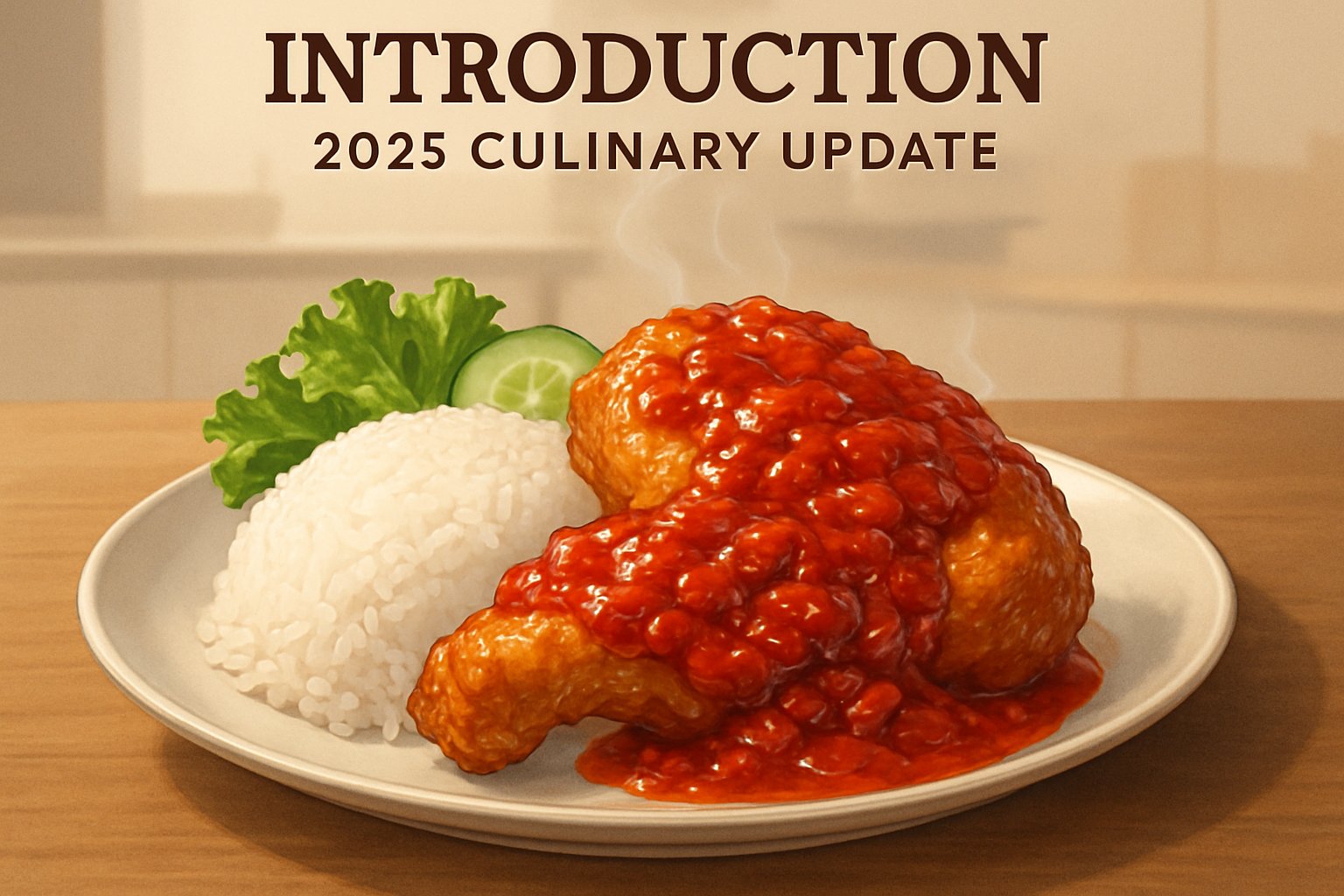
In this 2025 update, I’ll show you my accurate, step-by-step method for a bold, balanced sambal nasi ayam penyet. I focus on fragrance, clean heat, and a glossy finish that clings to rice and crispy chicken. If you prefer a fast read on desktop, skim the headings, then dive into the details when you’re ready to cook. For quick reference and future meal planning, bookmark this guide on sambal nasi ayam penyet and start now with the essential techniques below.
Ramuan
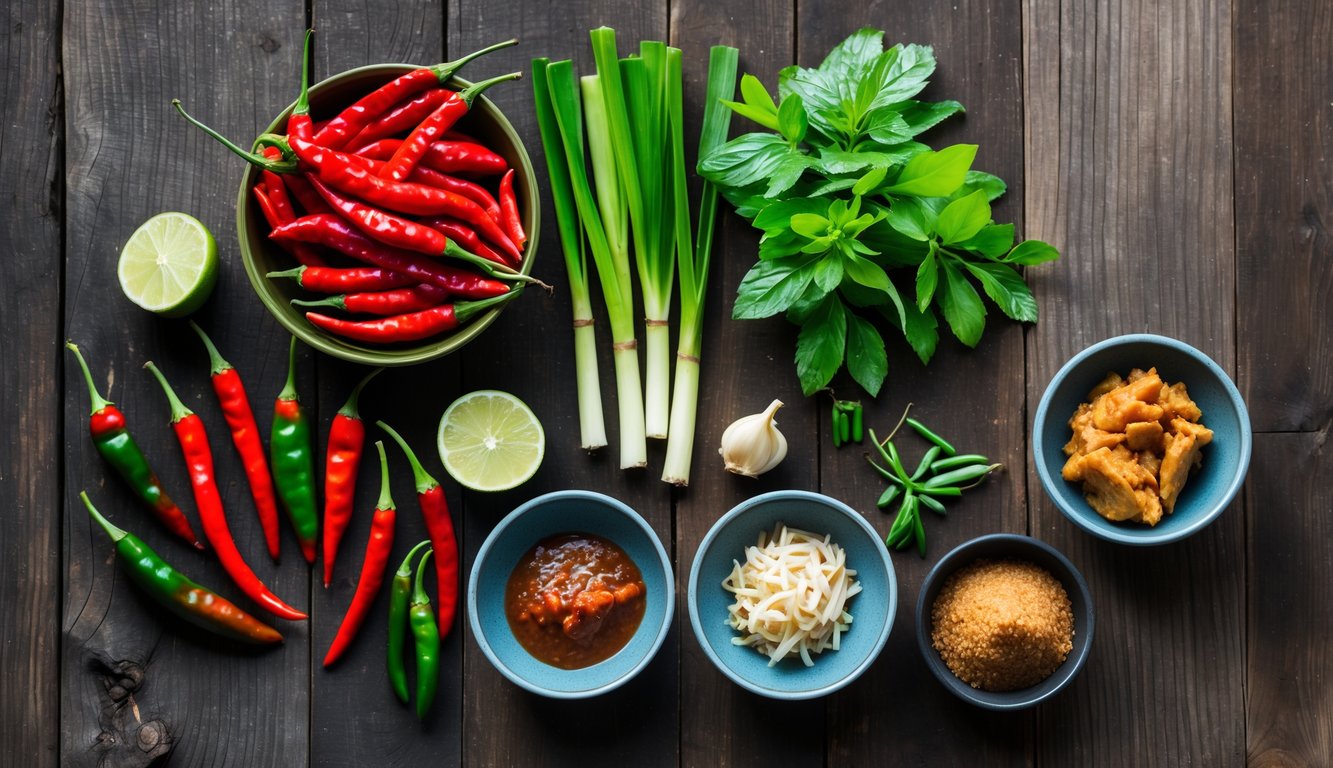
Precision matters for sambal nasi ayam penyet. I use a base of red chilies for body, cili padi for kick, aromatics for depth, and a measured balance of acid and sweetness. The table below lists the core ingredients with practical notes so you can get consistent results every time. This setup ensures your sambal ayam penyet recipe delivers authentic Malaysian flavors without overwhelming complexity.
| Ingredient | Quantity | Notes |
|---|---|---|
| Red chilies (cili merah besar) | 8–10 pcs (150 g) | Body and color; deseed for milder heat. |
| Bird’s eye chilies (cili padi) | 5–10 pcs | Adjust to heat tolerance; start low, add later if needed. |
| Shallots | 6 small (≈120 g) | Sweetness and aroma; can sub 1 medium onion. |
| Garlic | 5 cloves | Base savoriness; do not burn during sauté. |
| Tomato (optional) | 1 medium (≈100 g) | Softens edges and adds moisture. |
| Belacan (shrimp paste) | 1 tsp (5 g), toasted | Toast until fragrant to remove rawness. |
| Palm sugar (gula Melaka) | 1–1.5 tsp | Balances acidity and heat without tasting sweet. |
| Tamarind juice | 2 tbsp | Mix 1 tsp paste with 2 tbsp water; strain. |
| Lime juice | 1 tbsp | Fresh squeeze at the end for brightness. |
| Salt | 1/2 tsp, to taste | Adjust last; belacan already adds salinity. |
| Neutral oil | 4–5 tbsp | Key to pecah minyak (oil split) and gloss. |
Ingredient availability varies across Malaysia, but you should expect a total cost of roughly RM8–RM12 for a batch that serves 4–6. If you prefer a drier texture, skip the tomato and reduce oil slightly. For a smoother sambal, you can strain the paste after blending, though I prefer a coarse grind for body. Gathering these elements ahead of time makes the cooking process smoother and helps maintain the vibrant essence of belacan sambal in your dish.
Cara Memasak
This method prioritizes aroma and balance in your sambal nasi ayam penyet. I soften chilies, develop sweetness from aromatics, and finish with controlled acidity so the sambal tastes full without turning harsh or bitter. Following these steps ensures a professional-level result that’s perfect for pairing with ayam penyet set.
Start by prepping the chilies: Remove stems and most seeds from red chilies, then soak them in hot water for 5 minutes and drain well to reduce raw harshness and aid blending. This initial step is crucial for achieving a smooth base without bitterness. Next, toast the belacan in a dry pan on low heat until deeply fragrant, about 2–3 minutes, keeping it moving to avoid scorching which could impart unwanted bitterness to your sambal.
Grind the base by combining shallots, garlic, softened chilies, and tomato (if using) in a mortar or blender, pounding or pulsing to a coarse paste to preserve texture. Avoid over-blending for a puree, as a bit of chunkiness enhances the eating experience. Then, sauté the paste in heated oil over medium for 6–8 minutes, stirring until the color deepens and oil separates (pecah minyak technique), before stirring in toasted belacan, palm sugar, and salt for integrated flavors.
Balance and brighten by adding tamarind juice and simmering for 1–2 minutes, then turn off the heat and stir in lime juice, tasting to adjust salt, sugar, or acid for a vivid finish. This stage is where the sambal comes alive with Malaysian sambal authenticity. Finally, let the sambal rest for 10 minutes to settle, serve warm with ayam penyet, rice, and fresh sides, and store refrigerated in a clean jar up to 1 week or freeze in portions for longer keeping.
Pro tip: If the sambal feels oily after cooling, gently reheat and whisk in a teaspoon of hot water to re-emulsify. Conversely, if it tastes flat, a pinch more salt and a splash of lime quickly revive it. These adjustments help maintain the ideal consistency and flavor profile over time.
Komen
I test this recipe on a gas hob and an induction cooker to ensure reliable timing and flavor. Your pan and heat source may vary, so rely on the cues described (fragrance, color, and oil separation) more than the clock. Share how you tweak heat levels and texture so others can benefit from your experience. Engaging with these tips can elevate your sambal nasi ayam penyet from good to exceptional.
Kongsi Pengalaman Anda!
Tell me how you balance heat for your household, especially if you cook for kids or spice-sensitive guests. I’m keen to hear whether you prefer mortar-and-pestle for chunkier body or a blender for convenience. If you tried different chilies from your local pasar, describe the flavor shift so we can compare notes. Sharing these insights helps build a community around authentic Malaysian sambal recipes and inspires variations that suit different preferences.
Soalan & Jawapan
If your sambal turns watery, extend the sauté until you see pecah minyak; that almost always tightens the texture. If it tastes raw, you likely undercooked the paste before adding acids—give it more time over medium heat next round. For a cleaner heat with less sting, reduce cili padi and lean on red chilies plus a touch more lime. These troubleshooting steps ensure consistent results every time you prepare sambal ayam penyet recipe.
Resepi Berkaitan
Once you master the base technique, these related Malaysian and Indonesian styles let you vary heat, aroma, and texture without starting from scratch. Use the same pan cues and seasoning logic to save time. Exploring these variations can expand your repertoire of sambal-based dishes seamlessly.
Sambal Belacan Padu
This classic is raw or lightly cooked, driven by toasted belacan and lime. Keep the paste coarse and bright, then season carefully because belacan is salty. It pairs beautifully with ulam and fried fish. Many home cooks appreciate its simplicity, making it a staple for quick meals or as a side to enhance everyday dishes.
Terung Goreng Berlada
Fry eggplant until soft, then coat with a spiced chili paste similar to this sambal. Allow the sauce to cling without drowning the pieces. The contrast of creamy eggplant and punchy sambal is addictive. This dish highlights how versatile the pecah minyak technique can be when applied to vegetable-based recipes.
Cucur Kembung Cicah Sambal Sardin
Make crisp fritters and serve with a quick sardine sambal for protein-rich dipping. Keep acidity higher to cut through the fried batter. It’s a budget-friendly tea-time spread with big flavor. Incorporating sardines adds a unique twist, making it ideal for gatherings or snacks that pack nutritional value.
Sambal Geprek Ayam Penyet
This version is spicier and often pounded fresh, then poured over smashed fried chicken. Use more cili padi and less sugar for a sharper edge. Serve immediately to preserve the fried crunch. It’s a crowd-pleaser that intensifies the heat while maintaining the core elements of ayam penyet set.
Sambal Dadak
Made a la minute, this sambal is pounded and served raw with a squeeze of lime. Choose very fresh chilies and shallots because there’s no cooking to mellow flavors. It’s fast, vivid, and perfect for grilled proteins. The raw preparation preserves natural brightness, offering a fresh contrast to cooked sambals.
Sambal Nasi Ayam Penyet
Our main recipe balances cooked depth with fresh brightness. The key is a thorough sauté before adding acids, giving both gloss and longevity. Adjust the cili padi to match your ayam penyet’s seasoning. This adaptability makes it a go-to for customizing spice levels in family meals.
Terung Goreng Sambal Penyet
Use the same sambal base, then press it gently over fried eggplant. Keep the sambal thick so it adheres well. Finish with a squeeze of lime to lift the richness. Vegetarians often favor this variation for its satisfying texture and bold flavors without meat.
Set Nasi Ayam Penyet
A good set features fragrant rice, smashed fried chicken, this sambal, and crisp sides like cucumber, lettuce, and tempeh or tofu. Keep contrasts: hot and cold, crisp and soft, spicy and refreshing. At home, a full plate often costs around RM6–RM8 per portion depending on market prices and sides. Assembling these elements creates a complete, balanced meal that’s both economical and delicious.
Antara Yang Menarik
Press the chicken gently after frying so the sambal sits on every ridge. Serve sambal warm and rice hot to amplify aroma, and keep your fresh sides chilled for crunch. If you’re plating for guests, pre-portion sambal to avoid double-dipping and keep flavors consistent. This approach not only enhances presentation but also ensures everyone enjoys the optimal taste experience.
FAQs
Common questions about sambal nasi ayam penyet often revolve around adaptations and storage. Below, we address key concerns to help you troubleshoot and refine your technique. These insights are based on common home cooking experiences.
Can I air-fry or oven-roast to replace sautéing?
Yes, you can roast the chilies, shallots, and garlic at 200°C for 12–15 minutes, then blend and do a short 2–3 minute pan sauté to finish. This hybrid method adds smokiness while still achieving pecah minyak. It’s a time-saver with minimal flavor compromise. Many cooks find this approach especially useful for batch preparation or when avoiding excessive stovetop time.
How do I control heat without losing flavor?
Dial down cili padi first, not the red chilies, because the larger chilies build body and color. If heat still feels high, add a bit more palm sugar and lime to balance perception without dulling the sambal. Serving with extra cucumber and tofu also eases overall spice on the plate. This strategy maintains the integrity of Malaysian sambal while accommodating various tolerance levels.
How long does sambal keep, and can I freeze it?
Refrigerated in a clean jar, it lasts up to 7 days thanks to the sauté and oil layer. For longer storage, freeze in ice-cube trays, then bag; it keeps quality for 2–3 months. Thaw in the pan over low heat and refresh with a squeeze of lime. Proper storage techniques like these extend the usability of your sambal ayam penyet recipe batches.